Understanding Organic Mattresses: What Sets Naturepedic and Obasan Apart
A comparative guide to organic mattresses, focusing on Naturepedic and Obasan. Explore materials, certifications, and what to look for to ensure a chemical-free and comfortable sleep.
Intro to organic mattresses: certifications, materials, and the promise of purity
In a world where the bed you rest on doubles as a sanctuary, the promise of organic mattresses is more than a marketing flourish—it is a pledge: materials that are free from harsh chemicals, transparent labeling, and safeguards that protect the sleeper from exposure to toxins. When we talk about organic mattresses, we’re not merely discussing the absence of synthetic foams or chemical adhesives; we’re engaging with a philosophy of clean sleep. Naturepedic and Obasan emerge as two distinct answers to that philosophy, each with its own approach to sourcing, construction, and the way they communicate the story of sleep.
The vocabulary of organic bedding is important: certifications like GOTS (Global Organic Textile Standard), GOLS (Global Organic Latex Standard), Oeko-Tex, and others function as trust signals for consumers. They tell you that independent standards bodies have verified claims about chemical content, manufacturing processes, and overall safety. Beyond certificates, the actual construction matters: what is the core of the mattress, how is it assembled, and how do the outer fabrics interact with the interior to regulate temperature and humidity? Organic is not a single material; it is a system—an ecosystem of carefully chosen fibers, resilient cores, and responsible manufacturing.
In this edition of Signatory Mattress—an informational hub that treats sleep like a discipline—Naturepedic and Obasan are examined not as marketing capsules but as microcosms of how two brands interpret organic principles. We’ll traverse layers, fibers, and the tactile experience, but we’ll also illuminate the ethics behind the label: what you should expect, what to question, and how to read the story the label tells.
Key differences in approach: Naturepedic vs Obasan
Naturepedic: non-toxic by design
Naturepedic’s philosophy centers on eliminating harmful chemicals from the root of the mattress. Their approach typically emphasizes responsibly sourced organic cotton fabrics, wool and latex components, and a packaging of adhesives and foams that refrain from toxic emissions. The brand has long championed certifications that reassure buyers:certifications often highlight a prohibition on flame retardants, phthalates, and VOCs, while preserving the durability and comfort of the sleep surface.
A hallmark of Naturepedic is its insistence on a fully non-toxic sleep environment. From the cover to the core, the materials are chosen to minimize off-gassing and chemical exposure. For sleepers with chemical sensitivities or those who simply prefer a cleaner sleep environment, Naturepedic offers a benchmark for what “organic” can feel like in real life—soft, breathable, and reassuringly free of alarm signals.
Obasan: natural latex and wool-focused
Obasan leans into natural latex and wool as its signature materials, appealing to sleepers who prize natural buoyancy, temperature regulation, and a tactile feel that aligns with a live-in sleep experience. The brand emphasizes organic or natural latex in multiple blends and often pairs it with wool layers for moisture management and thermal comfort. This approach can translate to a distinct feel—cooler in summer, warmer in colder nights, and exceptionally good at resisting temperature fluctuations.
The certification story for Obasan frequently highlights the natural integrity of latex and wool, aiming to preserve the breathable, hypoallergenic properties of these fibers. For readers sensitive to chemical exposures, the latex’s natural resilience and wool’s regenerative properties provide not just a comfortable night’s sleep but a conscientious, almost artisanal, approach to mattress making.
Practical tips for comparing models: firmness, temperature, and allergies
When you shop organic mattresses, the sensory experience—feel, smell, and response to movement—must be balanced with verifiable data. Here are practical considerations to help you compare Naturepedic and Obasan models without losing sight of the core principles:
- Core materials and layers: Identify the base core (latex, coir, innerspring, or hybrid) and note any additional layers (wool, cotton, or other natural fills) that influence temperature regulation and contouring.
- Certification map: Look beyond a single badge. Confirm which standards are present (GOTS, GOTS-plus, GOLS, OEKO-TEX) and what they cover (fibers, adhesives, flame barriers).
- Firmness and feel: Organic does not imply a single sensation. Latex tends to be buoyant and responsive, wool adds humidity management, and cotton fabrics contribute to a breathable outer skin. Try multiple firmness options within the same brand to discover your personal balance.
- Allergies and sensitivities: If you’re sensitive to dust mites, flame retardants, or formaldehyde, focus on the absence claims and the materials’ natural repellent properties (wool’s moisture-wicking and latex’s resilience can help).
- Temperature regulation: Latex, wool, and cotton blends offer different thermal profiles. Wool can regulate humidity effectively, latex can be naturally cool, and cotton provides a breathable shell.
A responsible approach combines firsthand comfort testing with a clear list of questions for retailers or direct inquiries to manufacturers. Consider requesting a sample material swatch, a detailed bill of materials, and information about any chemical treatments used in the finishing process.
Certifications: what to verify and why it matters
Certifications serve as independent assurances that the product lives up to its organic claims. The consumer should look for verifiable documentation that covers:
- Material origin and processing standards
- Chemical content disclosures and emission testing
- Independent third-party testing and certification bodies
- Chain-of-custody and supply chain transparency
Naturepedic often emphasizes non-toxic materials and tests the finished product to guarantee a safe sleep surface, while Obasan’s narrative foregrounds natural latex and wool within an organic or near-organic framework. For the discerning buyer, the combination of a credible certificate and a transparent materials list is the strongest guarantee you can obtain before signing off on a purchase.
Three key individuals who shaped organic sleep philosophies (through time)
1) Florence Nightingale (1820–1910) — The advocate for clean environments
Though not a sleep scientist, Nightingale transformed the concept of healthful environments. Her emphasis on sanitation and air quality laid a blueprint for modern considerations of living spaces, including bedrooms. In the organic-mattress conversation, her legacy whispers through the insistence on clean, safe sleep spaces—where textiles are chosen not just for luxury but for their hygienic properties and long-term wellness.
2) Margaret Hamilton (1902–1985) — The designer of systems and trust
A pioneer in systems thinking, Hamilton’s obsession with reliability resonates in the modern expectations of a mattress: consistent performance, durable materials, and transparent communication. In the organic space, this translates to labeled certifications, durable warranties, and consistent performance across seasons—an assurance that comfort is not a one-night promise but a sustained experience.
3) Dr. Elizabeth Blackwell (1821–1910) — The ethos of safety and well-being
As a trailblazer in medical ethics, Blackwell’s drive to protect vulnerable populations translates beautifully to the organic mattress narrative: a commitment to chemical safety, hypoallergenic design, and materials that prioritize long-term health. Her spirit underscores the responsibility brands bear when offering sleeping surfaces meant to cradle the body through the night.
Product spotlight: Savvy Rest Tranquility Latex Mattress
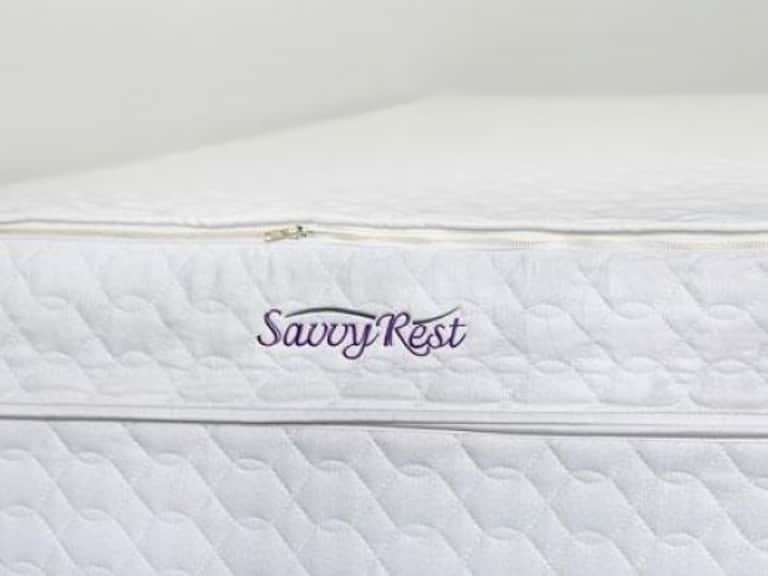
The Savvy Rest Tranquility Latex Mattress is a celebrated example of organic craftsmanship. Crafted with two layers of natural latex (Dunlop or Talalay options) and encased in 100% certified organic cotton, this mattress embodies the philosophy of clean sleep without compromising on comfort. Its 7-inch thickness makes it adaptable for a range of sleepers, from children to adults seeking a firmer, supportive feel.
The Tranquility is designed to be customizable, allowing layer choices that tailor the firmness and resilience to individual preference. This flexibility reflects the broader principle of organic bedding as a personalized but responsible experience. The flame barrier, containing certified organic wool, adds another layer of protection without sacrificing the natural ethos.
Savvy Rest
Tranquility Latex Mattress
7 inches | Latex + Wool + Organic Cotton
$2,698.00
2-layer natural latex; customizable firmness
Note: This is a product reference with authentic brand details. Availability and pricing may vary by retailer.
Concluding thoughts: choosing an organic future for your sleep
The quest for an organic mattress is more than choosing materials; it is an ethical choice about the environment, the company’s safety commitments, and the peace of mind you deserve as you close your eyes. Naturepedic and Obasan each offer a distinct path toward this goal: one foregrounding non-toxic design across layers, the other weaving natural latex and wool to nurture temperature balance and breathability. The modern consumer can honor both legacies by decoding labels, demanding transparency, and testing products in real sleep scenarios.
In the end, organic sleep is about resonance: the way your body settles into a surface that feels both luxurious and honest. The right mattress will not merely cradle your spine; it will cradle your beliefs about safety, sustainability, and well-being.
Would you like a deeper article calendar, a purchasing guide, or a side-by-side model comparison table? I can tailor content to your editorial voice and audience needs.