Sleep Health Essentials: Choosing a Mattress for Restful Nights
A深 dive into sleep science, mattress materials, and practical guidance for selecting a surface that supports your unique sleep needs.
Understanding Sleep, Temperature, and Mattress Construction
The quest for a truly restorative night’s sleep begins long before you close your eyes. Sleep scientists remind us that the body cycles through stages—light sleep, deep sleep, rapid eye movement—each with distinct physiological processes. The environment, especially temperature regulation, plays a pivotal role in how smoothly those stages unfold. A mattress is not merely a soft surface; it is a dynamic platform that interacts with your body heat, pressure points, and spinal alignment.
In contemporary bedrooms, two truths are in constant tension: comfort and support. A mattress that feels plush may not always offer the right structural support for the spine, while a mattress with excellent support can feel too hard if it fails to dissipate heat or relieve pressure at critical contact points. The art of choosing a mattress, then, lies in balancing materials, design, and physiology to align with your sleep goals.
This article draws on sleep science fundamentals and translates them into actionable criteria for readers who want to make informed, confident choices. We’ll examine how common mattress materials—foam, latex, and innerspring—affect alignment, pressure distribution, and temperature regulation. We’ll also offer a practical consumer checklist, and we’ll spotlight three notable figures from distinct eras who shaped how we think about sleep, health, and daily life.
Material Matters: Foam, Latex, and Innerspring—What Each Brings to Sleep
The mattress landscape is built from a handful of core archetypes. Each material interacts with your body and environment in unique ways, influencing comfort, support, and thermoregulation.
- Natural or synthetic latex offers a lively, responsive feel with strong durability and naturally breathable properties. Latex tends to distribute pressure well and can sleep cooler than many foam formulations, especially when paired with breathable covers and ventilated innerspring cores.
- Innerspring: A coil-based foundation promotes airflow through the system, contributing to a cooler sleeping environment. Modern hybrids often combine innersprings with latex or foam comfort layers to deliver a balance of support, bounce, and temperature management.
Beyond feel, the choice of materials influences spinal alignment. A mattress should align the spine in a neutral position, supporting the natural curvature of the cervical, thoracic, and lumbar regions. When alignment falters, muscles must work harder to maintain posture, leading to discomfort that disrupts sleep cycles. The right combination of materials and construction—firmness level, zoning in coils, and the density of comfort layers—can help prevent morning stiffness and maintain alignment throughout the night.
A Consumer-Centric Checklist for Mattress Evaluation
To translate theory into practice, use a reliable evaluation framework before you commit to a mattress. The following checklist emphasizes core sleep-health themes rather than brand marketing:
Determine whether the mattress maintains a neutral spine and reduces pressure points for your sleep position (side, back, stomach). Balance initial feel with long-term support. A mattress that remains comfortable after several years is a mark of quality. Favor mattresses with clear material composition, including the type of foam, latex, or coil system, and any fire-retardant treatments (preferably non-toxic options). Prioritize airflow and moisture management, especially if you sleep hot or live in a warmer climate. For sensitive sleepers, materials that resist dust mites, mold, and allergens can improve perceived sleep quality. A generous trial period helps you assess real-world performance within your home environment. Consider the ease of maintenance, warranty coverage, and expected lifespan to protect your investment.
The consumer experience is not solely about a mattress’s innate performance. It also rests in how well you understand the product, how it fits into your bedroom ecosystem, and whether it supports your overall sleep hygiene goals.
Sleep Science in Everyday Life: Three Key Figures Across Time
Sleep health is not a modern invention but a continuum of insights passed down through generations. Here are three influential figures from different eras whose work resonates with today’s mattress choices and sleep hygiene practices.
Hypatia of Alexandria (c. 350–415 CE) — Ancient Wisdom on Rest and Regeneration
Hypatia’s era privileged the rhythms of natural cycles and the mind’s pursuit of clarity after rest. While not a sleep scientist in the modern sense, her era’s emphasis on balance—between study and repose, between environment and perception—echoes in today’s insistence that a sleep-friendly room supports circadian alignment. The implicit lesson: environments designed for restoration, even in antiquity, can become the foundation for healthier cognitive function and mood in the waking world.
Hippocrates (c. 460–370 BCE) — The Bed and the Body
The founder of Western medicine reminded us that the body’s balance is mirrored by the balance of its surroundings. In modern terms, his ethos is reflected in the search for sleep environments that minimize friction and maximize restorative processes. Dreamless nights or wakeful ones can be traced back to the signals our bodies receive from temperature, texture, and the comfort of a well-supported spine—an early nod to the mattress’s central role in health.
Florence Nightingale (1820–1910) — Lighting, Hygiene, and the Sleep Environment
Nightingale’s reforms in hospital design elevated the importance of light, airflow, and sanitary conditions. Her ethos translates into the modern bedroom: regulate heat, ensure clean air, and nurture a space where rest can occur without external disturbances. These principles underpin contemporary sleep hygiene practices—quiet rooms, cool temperatures, breathable bedding, and reduced allergen exposure—that complement mattress selection.
Product Spotlight: A Practical Example from Naturepedic
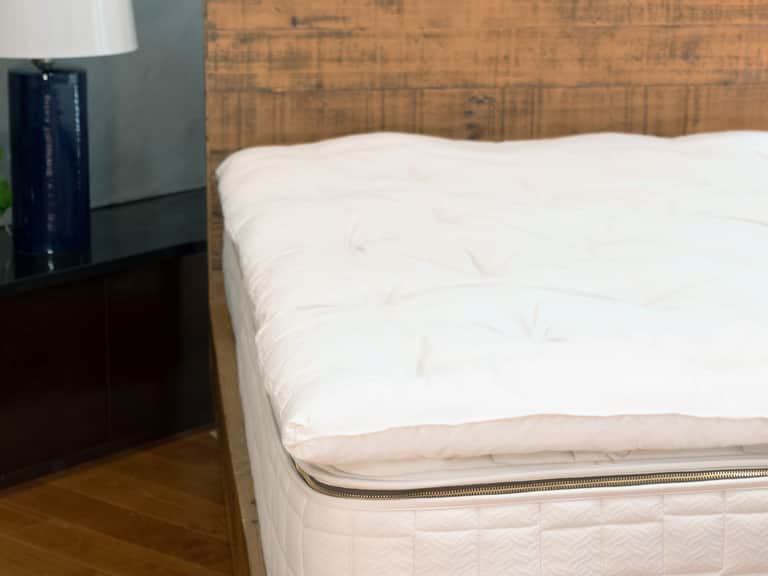
In the realm of mattresses and toppers that blend comfort with natural materials, Naturepedic offers compelling options. The Naturepedic Wooly Mattress Topper exemplifies how an accessory can transform sleep quality by combining plush volume with breathable, organic materials.
Naturepedic Wooly Mattress Topper
The Wooly topper features 3 inches of organic wool batting, wrapped in a breathable organic cotton sateen cover. Its natural temperature-regulating properties help distribute heat and wick moisture, creating a cooler, more comfortable sleeping surface. This topper is designed to complement a variety of mattresses—firm, cushion-firm, or medium—without reliance on polyurethane foams or chemical flame retardants.
Price: $749.00
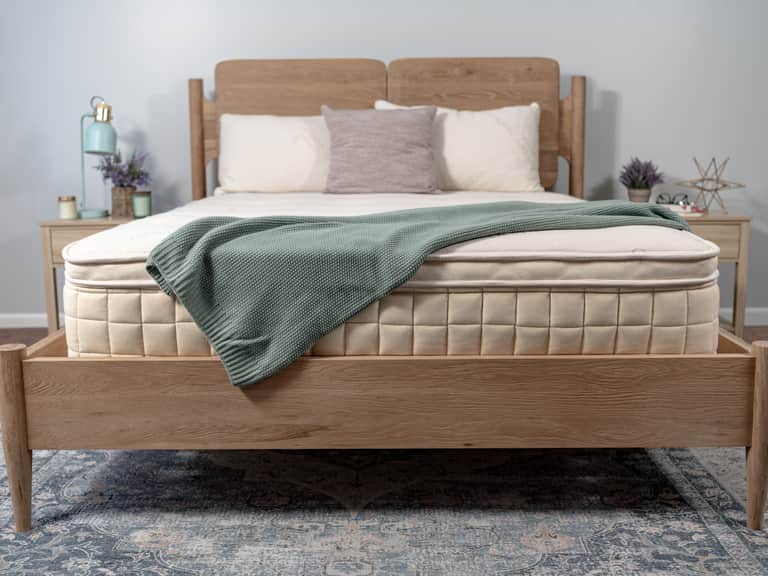
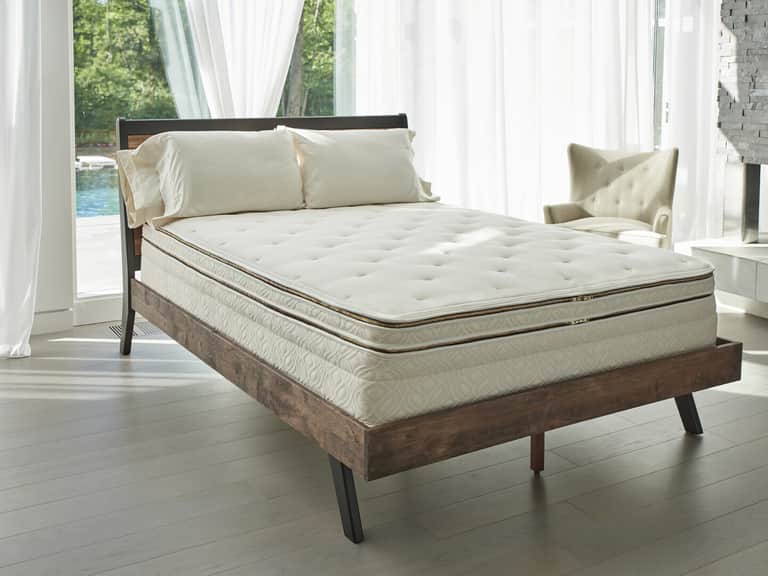
Naturepedic Concerto Organic Hybrid Mattress
A plush pillowtop hybrid that blends organic encased coils, microcoils, Dunlop latex, wool, and cotton. This mattress emphasizes an activist stance toward healthful living: 25-year warranty, GOTS-certified materials, and a commitment to chemical-free construction.
Price: $1,799.00
These products illustrate how material choices and design philosophies can shape a bedroom’s sleep quality. When evaluating toppers or mattresses, consider how a product’s materials and construction align with your sleep goals—whether it’s temperature regulation, allergen resistance, or long-term durability.
Three Time-Stamped Paths to Better Sleep: Integrated View
The idea of choosing a mattress is not simply about comfort; it is about weaving sleep health into daily life. Here are three interconnected pathways, each anchored in a different time period’s ethos, that collectively inform a comprehensive approach to sleep health:
How past thinkers and designers viewed the relationship between environment and rest informs today’s emphasis on clean air, temperature regulation, and quiet spaces. Sleep-stage biology and thermoregulation guide practical mattress choices that support cycle continuity and spinal alignment. A mattress is part of a broader sleep hygiene ritual—regular bedtimes, stress management, light exposure, and comfortable bedding that complement the core product choice.
In a world saturated with gadgets, it remains essential to simplify and tune your sleep ecosystem around proven principles: a cool, comfortable, supportive surface; breathable, clean bedding materials; and an environment that nudges your body toward restorative sleep.
Conclusion: The mattress as a Health Instrument
A mattress is more than a purchase. It is an instrument of sleep health—a platform that can either aid restorative cycles or hinder them. By focusing on materials, construction, temperature regulation, and evidence-based sleep practices, readers can choose surfaces that naturally support the body’s need to cycle through sleep stages with ease. The pathways laid out here empower you to think critically about what you sleep on, just as scientists think critically about what they study.
The ultimate aim is simple: to wake refreshed, with reduced stiffness and improved mood, so that each day begins with clarity and purpose. The right mattress—whether it is a latex-inspired hybrid, a breathable innerspring, or a well-taired foam alternative—can be a quiet ally in the ongoing project of personal health.